Advancements in medical technology have transformed the way many urological conditions are treated. Today, patients diagnosed with prostate cancer, kidney cancer, bladder cancer and other complex urinary conditions may have access to minimally invasive surgical techniques, including robotic-assisted surgery.
Robotic urologic surgery in Indore is an important treatment-related search for patients and families looking to understand modern surgical options for urological diseases. This approach combines the expertise of a trained surgeon with advanced robotic technology to perform specific surgical procedures through small incisions.
For patients dealing with urological problems, understanding available treatment options is an important step towards making informed healthcare decisions. Dr. Satyendra Singh, MS, MCh (Uro-Oncology & Robotic Surgery), is a specialist in urology, uro-oncology and robotic surgery in Indore.
In this blog, we will explain how robotic urologic surgery works, which conditions may be treated, its potential benefits and what patients should consider before choosing a surgical approach.
Table of Contents
ToggleWhat Is Robotic Urologic Surgery?
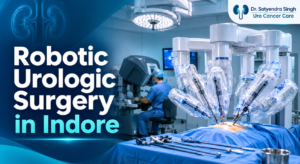
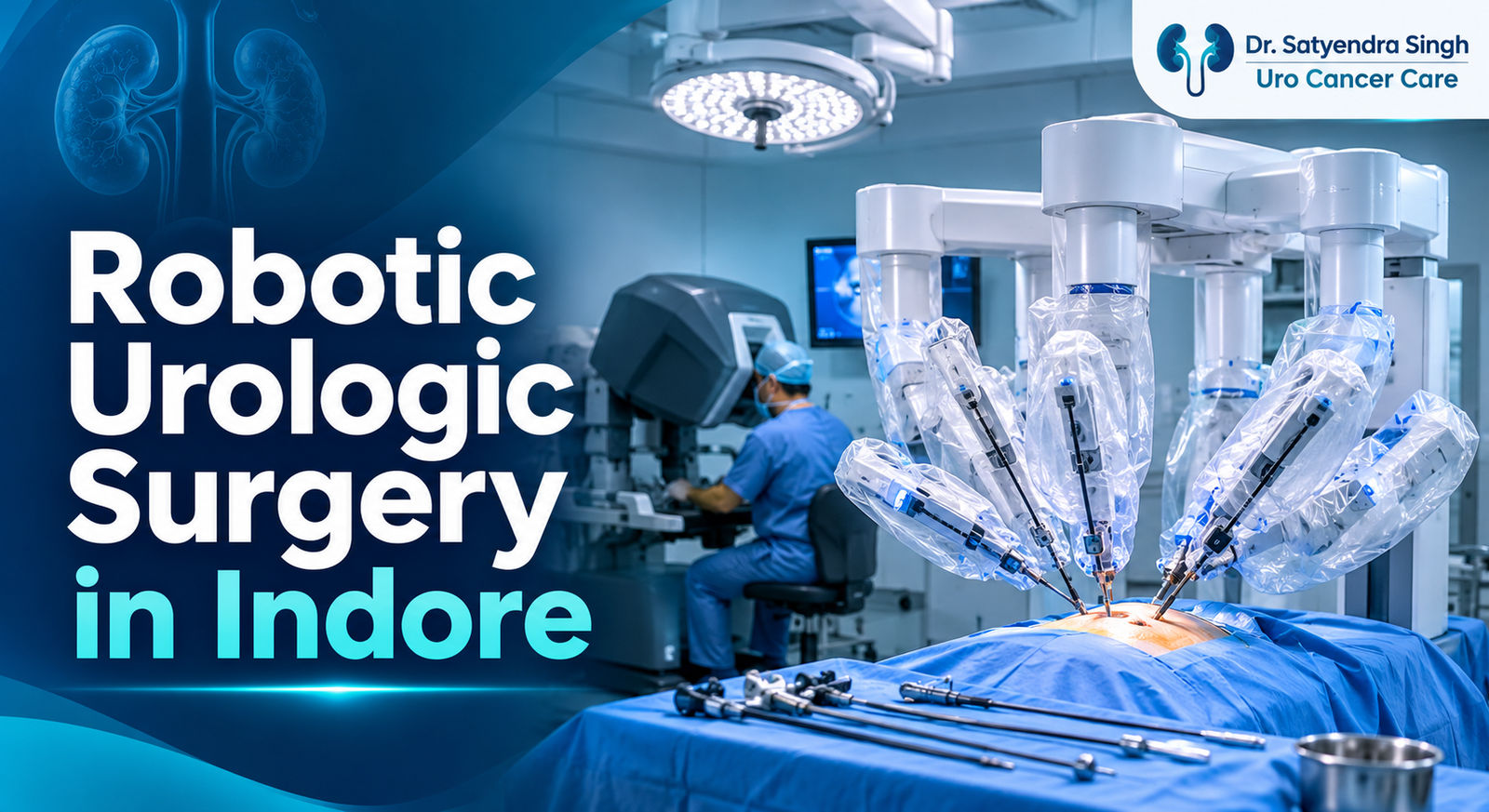
Robotic urologic surgery is a minimally invasive surgical technique in which a specially designed robotic system assists the surgeon during an operation.
Unlike traditional open surgery, which may require a larger incision, robotic-assisted procedures are generally performed through several small incisions. Specialised surgical instruments and a high-definition camera are inserted through these openings.
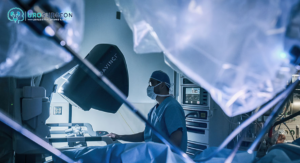
The surgeon controls the robotic instruments from a console and views the operating area through a magnified three-dimensional display.
It is important to understand that a robot does not perform surgery independently. The surgeon remains in complete control of the instruments and makes all surgical decisions throughout the procedure.
This technology can provide enhanced visualisation, instrument stability and precise movements, particularly during complex operations involving delicate structures.
How Does Robotic Urologic Surgery Work?
Robotic-assisted surgery involves coordination between the surgeon, robotic surgical system and operating team.
The general process includes:
1. Preoperative Evaluation
Before surgery, the doctor reviews the patient’s medical history, diagnostic reports, imaging studies and overall health to determine the most appropriate treatment approach.
2. Anaesthesia and Small Incisions
The patient receives general anaesthesia. The surgeon makes small incisions through which the camera and specialised robotic instruments are introduced.
3. Robotic System Setup
The robotic instruments are connected to the surgical system. The surgeon sits at a console and controls their movements.
4. Surgical Procedure
A magnified 3D view helps the surgeon examine the operating area. The surgeon carefully performs the required procedure using the robotic instruments.
5. Postoperative Monitoring
After surgery, the medical team monitors the patient’s recovery, manages discomfort and provides instructions for follow-up care.
The exact procedure and recovery experience depend on the patient’s condition and the type of operation performed.
Which Conditions Can Be Treated with Robotic Urologic Surgery?
Robotic-assisted techniques can be used for selected urological and uro-oncological conditions. The suitability of robotic surgery depends on the diagnosis, disease stage, tumour characteristics and patient’s overall health.
Some commonly performed robotic urological procedures include:
1. Robotic Prostate Cancer Surgery
Prostate cancer is one of the major urological cancers affecting men, particularly older adults.
For selected patients with localised prostate cancer, a procedure called robotic-assisted radical prostatectomy may be recommended. It involves removing the prostate gland and, when indicated, nearby tissues or lymph nodes.
Robotic assistance can help surgeons work around delicate anatomical structures. When clinically appropriate, nerve-sparing techniques may also be considered to help preserve urinary and sexual function.
The treatment decision depends on the cancer stage, patient’s age, health and other clinical factors.
2. Robotic Kidney Cancer Surgery
Kidney cancer develops when abnormal cells grow within kidney tissue.
Depending on the size and location of the tumour, the surgeon may recommend partial or radical nephrectomy.
- Partial nephrectomy: Removal of the kidney tumour while preserving the remaining healthy kidney tissue whenever possible.
- Radical nephrectomy: Removal of the affected kidney when clinically necessary.
Robotic-assisted techniques may help surgeons perform selected kidney procedures with controlled movements and detailed visualisation.
Preserving kidney function is an important consideration whenever partial nephrectomy is medically appropriate.
3. Robotic Bladder Cancer Surgery
Bladder cancer develops in the tissues lining the urinary bladder. Treatment depends on the type, stage and extent of the disease.
For selected patients with muscle-invasive bladder cancer, radical cystectomy may be recommended. This operation involves removing the bladder and may include removal of nearby lymph nodes and other structures depending on the disease.
Robotic-assisted cystectomy is one of the surgical approaches used in appropriately selected patients.
After bladder removal, urinary diversion may be required to provide a way for urine to leave the body.
4. Robotic Surgery for Urinary Tract Conditions
Robotic techniques are also used for certain non-cancerous urological conditions.
Examples include:
- Ureteropelvic junction obstruction.
- Selected ureteric strictures.
- Certain urinary tract reconstruction procedures.
- Pyeloplasty for obstruction between the kidney and ureter.
The primary aim of these procedures is to correct the underlying problem while maintaining or improving urinary function.
Benefits of Robotic Urologic Surgery
Robotic-assisted surgery offers several potential advantages compared with traditional open surgery. However, the benefits vary depending on the procedure, the surgeon’s experience and the patient’s condition.
Some potential advantages include:
Smaller Surgical Incisions
Robotic procedures generally use small incisions instead of one large surgical opening. This may result in smaller surgical scars.
Improved Surgical Visualisation
The robotic system provides a magnified three-dimensional view of the operating area, helping the surgeon examine delicate anatomical structures.
Greater Instrument Precision
Robotic instruments provide controlled movements and additional flexibility, which can be helpful when operating in anatomically complex areas.
Potentially Less Blood Loss
For certain procedures, minimally invasive techniques may reduce blood loss compared with open surgery.
Reduced Postoperative Discomfort
Smaller incisions may help reduce postoperative pain and the need for pain medication in some patients.
Recovery and Hospital Stay
Depending on the procedure and individual recovery, patients may experience a shorter hospital stay and an earlier return to routine activities compared with traditional open surgery.
It is important to remember that robotic surgery does not guarantee a complication-free operation or faster recovery for every patient.
Robotic Surgery vs Traditional Open Surgery
Both robotic-assisted surgery and traditional open surgery are established surgical approaches. The choice depends on the patient’s medical condition and the complexity of the required procedure.
Robotic-Assisted Surgery
- Usually performed through smaller incisions.
- Provides magnified 3D visualisation.
- Uses specialised instruments controlled by the surgeon.
- May involve less blood loss for certain procedures.
- May allow a shorter recovery period in selected cases.
Traditional Open Surgery
- Usually involves a larger surgical incision.
- Allows the surgeon direct access to the operating area.
- May be preferred for certain complex cases.
- Remains an important and effective treatment option.
Neither approach is automatically better for every patient. A qualified surgeon should explain the available options, expected outcomes and potential risks before treatment.
Who May Be Suitable for Robotic Urologic Surgery?
Not every patient with a urological condition requires robotic surgery.
A detailed medical evaluation helps determine whether this approach is suitable.
Factors considered by the surgeon may include:
- Type and stage of the disease.
- Size and location of the tumour.
- Previous abdominal or pelvic surgeries.
- Kidney and overall organ function.
- Age and general health.
- Existing medical conditions.
- Expected benefits and risks of surgery.
Patients should discuss their diagnosis and treatment options with an experienced urologist or uro-oncologist before making a decision.
Why Consult a Uro-Oncology Specialist in Indore?
Urological cancers require careful diagnosis, treatment planning and follow-up.
A uro-oncology specialist focuses on cancers affecting the urinary system, including the prostate, kidneys and bladder.
Dr. Satyendra Singh is an MS, MCh (Uro-Oncology & Robotic Surgery) specialist in Indore. His areas of expertise include urology, uro-oncology and robotic surgery.
For patients searching for a Robotic Urology Surgeon in Indore, consulting a qualified specialist can help them understand their diagnosis and explore appropriate treatment options.
A specialist consultation may help patients understand:
- Available surgical and non-surgical treatments.
- Whether robotic-assisted surgery is appropriate.
- Potential benefits and complications.
- Preoperative investigations.
- Expected recovery and follow-up requirements.
Choosing the right treatment requires an individualised medical assessment rather than relying on technology alone.
What Should Patients Expect After Robotic Urologic Surgery?
Recovery depends on the type of procedure, the patient’s health and the complexity of the surgery.
Following the operation, patients may receive instructions regarding:
- Wound care and hygiene.
- Medication and pain management.
- Dietary recommendations.
- Physical activity and restrictions.
- Catheter or drain care, if required.
- Follow-up appointments and investigations.
Patients should avoid strenuous activities until their surgeon confirms that it is safe to resume them.
Regular follow-up is especially important after cancer surgery to monitor recovery and evaluate treatment outcomes.
Frequently Asked Questions About Robotic Urologic Surgery in Indore
1. What is robotic urologic surgery?
Robotic urologic surgery is a minimally invasive surgical approach in which a trained surgeon controls robotic instruments to perform selected procedures involving the prostate, kidneys, bladder and urinary tract.
2. Is robotic surgery performed by a robot?
No. The surgeon controls the entire procedure using a specialised robotic console. The robotic system assists with instrument movement and visualisation.
3. Which cancers can be treated with robotic urologic surgery?
Selected cases of prostate cancer, kidney cancer and bladder cancer may be treated using robotic-assisted surgical procedures. Suitability depends on the patient’s diagnosis and disease stage.
4. Is robotic urologic surgery better than open surgery?
Robotic surgery may offer advantages such as smaller incisions, less blood loss and potentially faster recovery in selected cases. However, open surgery may be more appropriate for certain patients. The decision should be made after medical evaluation.
5. How long does recovery take after robotic urologic surgery?
Recovery time varies depending on the type of procedure, the patient’s health and any complications. The surgeon provides an individual recovery plan and guidance on returning to normal activities.
6. Is robotic surgery safe?
Robotic-assisted surgery is an established surgical approach, but like every major operation, it carries potential risks, including bleeding, infection, anaesthesia-related complications and injury to surrounding structures. A specialist can explain the risks for an individual case.
7. How can I consult a robotic urology specialist in Indore?
Patients can consult Dr. Satyendra Singh, MS, MCh (Uro-Oncology & Robotic Surgery), in Indore to discuss urological conditions, diagnostic reports and suitable treatment options.
Consult Dr. Satyendra Singh for Urological Care in Indore
Choosing the right treatment for a urological condition begins with an accurate diagnosis and expert medical guidance. Robotic-assisted surgery is an important advancement in modern urology and may be suitable for selected patients requiring complex surgical procedures.
If you or a family member has been diagnosed with prostate cancer, kidney cancer, bladder cancer or another urological condition, seek professional medical advice to understand the available treatment options.
Dr. Satyendra Singh
MS, MCh (Uro-Oncology & Robotic Surgery)
Urologist | Uro-Oncologist | Robotic Surgeon
Indore, Madhya Pradesh
Website: https://urocancercare.com/
Book a consultation to discuss your urological health concerns and receive guidance based on your medical condition.
Medical Disclaimer: This blog is intended for general educational purposes only. It does not replace professional medical consultation, diagnosis or treatment. The suitability of robotic surgery must be determined by a qualified surgeon after evaluating the individual patient.